What to do in Kyoto
79 places curated from 10 travel vlogs — the more a spot gets mentioned, the higher it ranks
Kiyomizu-dera
The temple is famous for its 13 m tall wooden stage projecting from the main hall. Visitors can also try lifting Benkei's iron spear and drink from one of the three streams of the Otowa Waterfall, each said to bring a different benefit.



Kamogawa River
The river in central Kyoto is a popular spot for summer terrace dining, where restaurants serve meals, including kyo-kaiseki, on platforms built over the water.

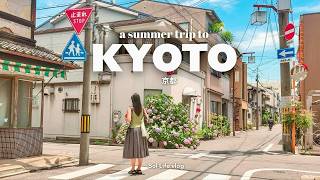
Gion
Kyoto's old quarter and still its main entertainment district, packed with bars, eateries and historic streets. The host recommends staying near here if possible.
Nishiki Market
A narrow, long shopping street lined with hundreds of shops and restaurants. It is a great place to sample Kyoto's many different flavors.
Arashiyama Bamboo Grove
The famous bamboo grove located directly next to Tenryu-ji Temple.
Fushimi Inari Taisha
The head shrine of over 30,000 Inari shrines, famous for thousands of donated vermilion torii gates lining mountain trails, including the iconic Senbon Torii. The Yotsutsuji intersection halfway up has restaurants and the best city views, and hiking to the summit takes about 1 to 1.5 hours.
Arashiyama
A district on Kyoto's western outskirts that was once a retreat for emperors. It is somewhat touristy but still pleasant, with many major sights such as temples, a bamboo grove and river scenery.
Tenryu-ji
A temple ranked first among Kyoto's great Zen temples. It is part of Kyoto's UNESCO World Heritage Site.
Iwatayama Monkey Park
A monkey park on top of the hill across Togetsukyo Bridge.
Yasaka Pagoda
A pagoda named as one of the highlights of the atmospheric Higashiyama District.
Sannenzaka
A historic sloping street filled with shops, cafes and traditional wooden buildings, recommended for exploring on foot.
Kinkaku-ji
The Golden Pavilion, whose top two floors are covered in gold leaf, was built as Shogun Ashikaga Yoshimitsu's retirement villa and became a Zen temple after his death. It is a UNESCO site, and paths lead around manicured grounds with a tea garden and other temple halls.
Ginkaku-ji
The Silver Pavilion was built as Ashikaga Yoshimasa's retirement villa and was never actually covered in silver. It is a UNESCO site and became the base of Higashiyama culture, which shaped traditions such as the tea ceremony, poetry and garden design.
Hanamikoji Street
A street known for keeping the original appearance of its many tea houses, and a famous spot for seeing geisha and maiko. Photography is banned here, so follow the local rules.
Nanzen-ji
One of the host's favourite temples, famous for its aqueduct and rock garden.
Pontocho
An area filled with many types of restaurants and bars, serving everything from seafood to soba and yakiniku.
Kyoto Tower
An observation tower near Kyoto Station with views over the city's gridded streets. The video uses it as the starting point for heading east into old Kyoto.

Ninenzaka
A noteworthy historic street near Gion lined with shops, cafes and traditional wooden buildings.
Philosopher's Path
A canal-side walking path named after a Japanese philosophy professor who is said to have walked it daily while meditating. It is lined with maple trees on one side and cherry trees on the other, with small shrines and ginkgo trees along the way.
Kibune
A scenic valley north of the city known for summer terrace dining on platforms built over flowing water.
Togetsukyo Bridge
A beautiful bridge that is one of Arashiyama's main attractions, especially lovely in autumn.
Sagano Scenic Railway
A 25-minute sightseeing train ride through the beautiful Hozugawa River valley. It offers a unique way to see the area.
Hozugawa River Cruise
A roughly two-hour trip back to Arashiyama in a traditional boat, often combined with the Sagano Scenic Railway.
Kodai-ji
A temple highlighted as one of the Higashiyama District's specific sights.
Yasaka Shrine
A shrine listed among the highlights of the Higashiyama area.
Yakiniku Hiro
A local yakiniku restaurant with several branches, offering a great selection of quality meat at relatively affordable prices.
Heian Shrine
A spacious, austere shrine dedicated to the first and last emperors who reigned from Kyoto.
Tofuku-ji
A temple built from ancient timbers. It is loved for its covered wooden bridges spanning valleys filled with maple and spruce.
Nijo Castle
A historic castle whose palace grounds preserve the atmosphere of old Kyoto, especially during cherry blossom season.
Gion Shirakawa
The area around the Shirakawa River on the north side of Gion. A riverside walk here offers a peaceful escape from the crowds.
Kawaramachi
A shopping district next to Gion with high-fashion brands, department stores and anime and hobby shops. It is also Kyoto's otaku shopping area, with interconnected shotengai arcades.
Teramachi Kyogoku
A covered shotengai arcade aimed more at locals, with relatively inexpensive shops. Small temples and shrines are scattered along the shopping streets.
Kyoto Imperial Palace
The primary residence of the Imperial Family from 1331 until the capital moved to Tokyo in 1869, now used mainly for ceremonies and tours. The complex includes the main palace, the Seiryoden residence, and gates and walls surrounded by gardens.
Kyoto Gyoen National Garden
A garden surrounding the Imperial Palace that blends Japanese and Western styles, with a large pond, bridges and a traditional tea house. It is a popular spot for cherry blossoms in spring and autumn leaves in fall.
Okochi Sanso Garden
A beautiful garden in the Arashiyama area, mentioned as one of the district's highlights.
Nara
A day-trip destination famous for its large population of freely roaming deer.
Sanjo-kai Shopping Street
A local shopping street. It is mentioned as the place where the butcher behind Yakiniku Hiro was established in 1976.
Sagano
A rural-feeling district next to Arashiyama that Emperor Saga especially enjoyed. Smaller temples are scattered through the wooded hills north of the bamboo forest.
Higashiyama District
One of Japan's best-preserved historic districts, with outstanding temples, traditional streets and shops. Many visitors spend half a day here combined with Kiyomizu-dera.
Maruyama Park
A park listed among the highlights of the Higashiyama District.
Kimura Fresh Fish
A small seafood shop in Nishiki Market. After ordering, you eat your meal at a spot right inside the bustling shop.
Kagizen Yoshifusa
A traditional Japanese sweets shop the host visits every time he is in Kyoto. It is most famous for kuzukiri noodles dipped in a sweet syrup.
Eikan-do Zenrin-ji
A temple known for its beautiful garden, making it one of the best places in Kyoto to see autumn foliage.
Ramen Sen no Kaze
One of the best places for ramen in Kyoto, serving tonkotsu, shio, shoyu and miso versions. It gets busy, so expect to queue.
Senko-ji
A secluded temple reached by a short hike through dense forest, offering a scenic view. It is home to a famous Shiba Inu temple dog.
Kurama to Kibune Hike
A lovely hike through shrines and temples surrounded by splendid nature. Kurama is about 30 minutes by train from central Kyoto.
Ishibe-koji Lane
A narrow stone-paved alley lined with rows of traditional Kyoto-style houses and ryokan inns. It evokes the atmosphere of the Edo period.
Shoren-in
An intimate temple where visitors are invited to sit and quietly contemplate the gardens outside.
Kiyomizuzaka
The main approach street to Kiyomizu-dera, which the Sannenzaka and Ninenzaka slopes branch off from.
Maccha House
A matcha cafe known for its thick matcha tiramisu and a loaded matcha parfait. The video recommends this Sannenzaka branch over the main Kawaramachi store, which has much longer lines.
Fushimi Inari Ura-sando
The backside approach to Fushimi Inari Shrine. It is lined with food stalls and souvenir shops, handy after hiking Mount Inari.
Ramen Muraji
A very popular ramen shop known for its thick, creamy chicken and fish broth, with a choice of noodles and dipping-style tsukemen. Its matcha-style facade makes it easy to miss, and you buy a ticket from a machine before queuing in a backyard waiting area.
Yasohachi
A yakitori izakaya in Pontocho serving moist, charcoal-grilled skewers and creative items like mochi wrapped in bacon and cheese. It is recommended if you feel overwhelmed choosing a spot in the area.
Katsura River
A riverside area in Arashiyama for relaxing, boat rides and street food, especially enchanting in spring and fall.
Shinkyogoku Shopping Arcade
A shopping arcade next to Teramachi featuring traditional and modern shops.
Shijo-dori
One of Kyoto's main shopping streets, with a mix of traditional and modern shops.
Ninomaru Palace
The shogun's residence inside Nijo Castle, used for receiving guests and official business. It is known for ornate architecture with gold leaf and its gardens.
Samurai & Ninja Museum Kyoto
An interactive museum on samurai and ninja history, with real and replica weapons and armor. Visitors can learn fighting techniques and try on traditional samurai or ninja clothing for photos.
Osaka
A bustling city day trip known for food, shopping, entertainment and Universal Studios Japan.
Hachi Shrine
A quiet little shrine a few minutes from Ginkaku-ji, where eight deities are enshrined. Its lanterns light up in the evening, making it a peaceful escape from the crowds.
Gyoja-bashi Bridge
An incredibly narrow stone bridge over the clear Shirakawa stream, whose banks are lined with green willow trees.
Nanzen-ji Aqueduct (Suirokaku)
A Meiji-period aqueduct built in a European Romanesque style. It is no longer in use but has been preserved for its unique architecture.
Enko-ji
A temple whose main viewing deck overlooks a garden full of stunning autumn foliage. Autumn visits require an online reservation, and entry costs 1,000 yen.
Nashinoki Shrine (Somei-sui Spring)
Home to Somei-sui, the only surviving one of Kyoto's three famous springs. A nearby cafe uses its water to brew coffee.
Yamashina
A district just one train stop from Kyoto Station that is much less touristy. It has local eateries such as tsukemen shops.
Bishamon-do
A temple famous for its brilliant red autumn foliage, much of which can be seen for free. It is a quieter alternative to central Kyoto, with steep stairs, a weeping cherry tree and a tatami cafe nearby with foliage views.
Eizan Electric Railway (Maple Tunnel)
A local train line through the countryside that has become a sightseeing ride thanks to its scenery. It passes through the famous maple tunnel, which is illuminated at night but also lovely by day.
Kifune Shrine
A shrine that is especially pretty in autumn, though its leaves fall earlier than in the city. It offers water fortunes (mizu-mikuji) that reveal text when dipped in water, with QR codes for English translations.
Kyoto Tower Sando
An uncrowded, reasonably priced food hall and souvenir complex beneath Kyoto Tower, linked to Kyoto Station by an underground passage. The B1 food hall has Kyoto specialties and the first floor sells Kyoto souvenirs.
Pancake Room
A Kyoto-born soufflé pancake shop in Kyoto Tower Sando. Its pancakes are slow-grilled with Kyoto eggs and flour, and the matcha fountain pancake is served with uji matcha ice cream.
Kyoto Tower Sando Bar
A bar in Kyoto Tower Sando focused on Kyoto drinks: craft beer, Tamba wine and sake from centuries-old Kyoto breweries. It is known for uji matcha beer whisked to order and is open until around 11 pm.
Shosei-en Garden
A 17th-century Edo-period garden about a 10-minute walk from Kyoto Station, laid out around a central pond with a tea house and a ceremonial gate. It is calm and uncrowded, with a view of Kyoto Tower over its bridge.
Imamiya Shrine
A quiet shrine in northern Kyoto, founded over 1,000 years ago, where people pray for good health; it has many small sub-shrines and a wish-granting stone. Two popular shops right outside serve aburi mochi grilled over charcoal with a sweet white miso sauce.
Farmoon
Created by chef and artist Masayo Funakoshi, it runs as a tea salon and cafe by day and a private restaurant in the evening, with an open kitchen and mismatched design tableware. It is known for its porridge and seasonal dishes, and has a ceramics store on the second floor.
Honen-in
A peaceful temple on the Philosopher's Path, away from the crowds. Its entrance has sand gardens with seasonal designs, and the grounds have moss-covered gardens.
Kyukyodo
One of Kyoto's oldest and most famous traditional stationery shops, making and selling incense, paper and stationery for over 350 years. It is especially known for its beautiful Japanese paper products.
Wife and Husband
A peaceful, reservation-only coffee shop in a local part of town that sells out daily. In good weather they pack you a picnic to enjoy on the nearby river.
eX Cafe
A spacious matcha and coffee cafe where you roast your own sweet dumplings at the table. The seating is private and intimate.
Murin-an
A small paid garden that limits crowds. The video calls it the most beautiful garden of their whole Japan trip.
Togetsukyo Bridge
A beautiful bridge that is one of Arashiyama's main attractions, especially lovely in autumn.