What to do in Fukuoka
65 places curated from 11 travel vlogs — the more a spot gets mentioned, the higher it ranks
Canal City Hakata
A large canal-side shopping and entertainment complex. The hosts visited it for its festive Christmas 2023 displays and decorations.


Dazaifu Tenmangu
A culturally significant Shinto shrine dedicated to the deity of learning that draws visitors from all over Japan. It is surrounded by landscaped gardens, and visitors throw coins and make wishes there.


Tenjin
Fukuoka's downtown and busiest district, where yatai street food stalls set up their carts around 6 PM each evening.

Nakasu Yatai
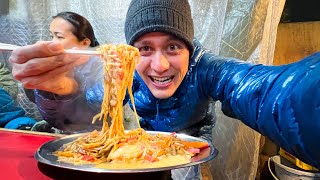
Open-air food stalls along the Naka River serving grilled yakitori and oden under the neon glow of riverside billboards, with crowds of strangers eating shoulder to shoulder. Arrive around 6pm because the stalls are usually full by 6:30, though a stroll along the river is worthwhile even without a seat.

Nanzoin Temple
A mountainside temple about 25 minutes by train from Fukuoka, home to one of the world's largest bronze reclining Buddhas (41 m long, 300 tons). Forested paths, statues, streams, waterfalls and a small cave lead to the Buddha, whose feet are said to bring good luck when touched.
Hakata Station Christmas Market
A seasonal Christmas market outside Hakata Station. It was the first of several Fukuoka Christmas markets the hosts visited, and they found it very romantic.

Tenjin Underground Shopping Center
An underground shopping mall known for its ornate, wrought-iron-style ceiling design.
Dazaifu Tenmangu Omotesando
The shopping street leading up to Dazaifu Tenmangu is lined with shops making fresh umegae mochi. These are sweet rice cakes filled with hot azuki red bean paste.
Hakata
Hakata is Fukuoka's downtown district and the home of Hakata ramen, known for its thick, creamy tonkotsu pork broth.
Fukuoka Castle Ruins
The remains of a once-formidable fortress, with panoramic views from the top that are especially striking in cherry blossom season. Interpretive signs explain the castle's history and its role in the region.
Tenjin Christmas Market
A seasonal Christmas market where hot chocolate is served in a collectible holiday mug. The stall gives you a bag to carry the mug home as a souvenir.
Shin-Shin Ramen
One of Fukuoka's most famous ramen shops, usually with a 15-20 minute queue, serving rich, gravy-like Hakata tonkotsu ramen with thin noodles and chashu. It also serves bite-sized Hakata-style gyoza.
Beppu
About two hours from Fukuoka, Beppu is Japan's largest hot spring town, famous for its 'seven hells' of smouldering hot springs that send plumes of steam across the city. The video recommends it as an overnight stay for the ultimate hot spring experience.
Nagasaki
Now just 90 minutes from Fukuoka by shinkansen, Nagasaki offers the abandoned island of Gunkanjima, Chinatown's steamed pork buns, the Peace Park and museum, and one of Japan's most beautiful viewpoints. The video suggests two days and one night.
Kyushu National Museum
A museum near Dazaifu Tenmangu that showcases the region's history and culture.
Ohori Park
A large park in the heart of Fukuoka with a picturesque pond, walking paths and paddle-boat rentals. It also has a traditional Japanese garden and hosts events throughout the year.
Fukuoka Tower
Japan's tallest seaside tower, with an observation deck offering sweeping views of the city and coastline, especially at sunset. It also has interactive exhibits about the city's history and culture.
Yanagawa
Known as the 'City of Water' or 'Venice of Kyushu' for its canals and riverboats, it is a little over an hour by train from Hakata Station. It is famous for unagi no seiro-mushi, eel steamed in a bamboo basket with rice, sweet sauce and sliced egg.
Yanagawa River Boat Tour
A boat captain poles the boat along Yanagawa's canals while telling you about the city's history. Vendors along the canal sell snacks and drinks, and the video calls it one of the most memorable experiences of the trip.
Yufuin
A hot-spring town reachable by train from Hakata. The hosts stayed overnight at an onsen ryokan and explored its shops, cafes and an art museum.
Yatai Mamichan
A legendary yatai with a friendly atmosphere where a one-man chef cooks smoky gyoza, a runny mentaiko omelette, seared beef tongue and wok-fried rice.
Yatai Tenichi
A quieter yatai famous for tempura, fried fresh to order. Sets include shrimp, eggplant, fish and vegetables, served with a grated radish dipping sauce.
Yatai Kiryu
A yatai famous for Hakata ramen: thick, rich pork-bone broth with firm noodles, chashu, green onions, pickled ginger and sesame.
Yatai Kawachan
An izakaya-style yatai known for yakitori, including gizzard and tomato wrapped in bacon. It also serves motsunabe, a pork offal hot pot with cabbage and leeks.
Fuglen Fukuoka
The Fukuoka branch of the Oslo-born coffee shop known from Tokyo, a short walk from Hakata Station. The hosts call it a must-visit and bought its Gesha blend and organic beans.
Yufuin Floral Village
A storybook-style village of themed shops and cafes, often called Yufuin's 'Ghibli village'. It was the highlight of the hosts' side trip, which they visited in the snow.
REC Coffee
A Fukuoka-born specialty coffee roaster known for light roasts. The hosts recommend its bright, citrusy Gesha latte, and it gives a free cup of coffee with every 200 g bean purchase.
Coffee County
A Fukuoka specialty coffee shop where the hosts bought beans to take home.
White Glass Coffee
A Fukuoka specialty coffee shop whose beans the hosts brought home.
Honey Coffee
A Fukuoka coffee roaster that supplies beans to other local cafes. The hosts found its stand in a department store and note it gives a free coffee with every 200 g bean purchase.
HIGHTIDE Store
The store of the Fukuoka stationery and lifestyle brand Hightide, selling stickers, storage containers, tapes and travel goods. The hosts found it smaller than the Tokyo shop.
Flamingo
A vintage clothing store where the hosts found a lilac women's corduroy shacket.
Iwataya
A major Tenjin department store affiliated with Isetan Mitsukoshi, carrying luxury brands. The Isetan guest card gives an extra 5% off on top of the tax refund.
Shikanoshima Island
A small island in Fukuoka where you can rent bicycles and ride a scenic route along the coast past traditional Japanese houses. It is also known for fresh seafood, including very fresh tuna.
Nakasu River Cruise
A 30-minute boat cruise on the rivers around Nakasu in central Fukuoka. It costs about 1,000 yen.
Fukuoka Asian Art Museum
A museum of contemporary art from across Asia, focused on promoting cultural exchange. It has interactive displays and often hosts workshops and events.
Nokonoshima Island
An island easily reached by ferry, known for flower fields, coastal views and bicycle rentals. It is a peaceful getaway for picnics on the beach and local specialties.
Nokonoshima Island Park
A flower park on Nokonoshima where seasonal flowers bloom throughout the year.
Marine World Uminonakamichi
An aquarium showcasing the region's marine life, including dolphins, seals and colorful fish. It offers daily dolphin shows and interactive exhibits on marine ecosystems.
Momochi Seaside Park
A beachfront park with a sandy beach for swimming and sunbathing, plus walking and cycling paths with coastal views. Cafes and restaurants line the beach, and Fukuoka Tower is nearby.
Kushida Shrine
One of Fukuoka's oldest and most important Shinto shrines, featuring beautiful wooden architecture. It hosts several festivals throughout the year, and visitors can tie omikuji for good luck.
Hakata Machiya Folk Museum
A museum near Kushida Shrine that offers insights into traditional Fukuoka life.
Yanagibashi Rengo Market
A bustling food market with fresh seafood, local produce and traditional snacks such as grilled fish and mochi. Vendors also sell souvenirs and local crafts.
Sumiyoshi Shrine
A shrine whose annual festival features colorful parades, traditional dance and music performances, and rituals. Food and drink stalls line the streets during the celebration.
Nakasu
Fukuoka's main nightlife district, with Japanese pubs, bars, nightclubs and illuminated streets. It also has street food stalls, restaurants and live music late into the night.
Fukuoka Prefectural Museum of Art
A museum of modern and contemporary art by Japanese and international artists, with rotating exhibitions. It offers a tranquil setting and often hosts special workshops and events.
Asahi Beer Hakata Brewery
The Fukuoka brewery of Asahi beer, which the vlogger reached after taking the wrong bus. They only viewed it from outside.
Melody Bridge
A bridge on the way to Nanzoin Temple with xylophones on both sides, which you can play with the mallets provided as you cross. The temple entrance is about a five-minute walk away.
Hakata Menkaido (Hakata Noodle Street)
A row of ramen shops inside Hakata Station, celebrating Fukuoka as the birthplace of tonkotsu ramen. The video features a long-queue tsukemen spot serving chewy noodles with a rich dipping broth.
Takayama Pawn Shop
Kyushu's go-to pawn shop for secondhand luxury goods. A whole floor is dedicated to designer bags from LV and Chanel, plus watches and clothing.
Mitsui Shopping Park LaLaport Fukuoka
A huge shopping mall known for its life-size RX-93ff Nu Gundam statue. It also has a Gundam store that sells area-limited model kits.
The Rail Kitchen Chikugo
A Nishitetsu restaurant train serving seasonal multi-course meals prepared on board by local chefs. Its charming decor, photo stop and immersive touches like ticket clipping make it a unique dining experience.
Hyotan Sushi
A popular sushi restaurant known for fresh, affordable sushi, with two floors of seating that keep the line moving fast. The Today's Special platter, about 3,600 yen, is the signature order.
Itoshima
A scenic coastal area west of Fukuoka, best explored by car. It offers beach photo spots like swings and stairways, seafood restaurants and artisan salt makers.
Sakurai Futamigaura
An iconic white torii gate standing in the sea in front of the wedded rocks, said to protect fishermen and grant love. At low tide you can walk right up to the gate.
Mataichi Salt Factory (Kobo Tottan)
A seaside salt maker that sells its in-house sea salt and flavoured salts such as herb and curry. It is famous for its salted pudding with caramelised sugar.
Koraku Kiln
A 150-year-old Arita porcelain kiln offering workshop tours and a 90-minute ceramics treasure hunt where you fill a basket for 6,600 or 12,000 yen. Arrive before 2 p.m. to get the full time.
I'm donut?
An insanely popular doughnut shop that originated in Fukuoka, known for its light, fluffy and chewy original doughnut. It also sells location-exclusive flavours.
FUK Coffee
An airport-themed coffee shop known for its stickers, lattes and avocado jelly. It is also famous for its pudding.
Hakata Akachokobe
A viral izakaya-style spot known for kettle udon, especially the kama udon, along with oden and gyoza. It stays open late.
Suzukake
A Japanese sweets shop that has been in Fukuoka for over 90 years. Its most popular item is monaka filled with red bean paste, and it also sells warabi mochi and sakura kuzu sweets.
Yamaya Factory Terrace
A mentaiko (spicy pollock roe) factory with a tour explaining how Fukuoka's signature food is made, plus a gift shop selling fresh, never-frozen mentaiko. Across from the shop is a restaurant with mentaiko dishes and an all-you-can-eat mentaiko buffet.
Koinoki Shrine
A small shrine decorated with hearts that is said to be the only shrine in Fukuoka Prefecture dedicated to a deity of love. Visitors come here to pray for romance.
Maizuru Park
The park that contains the Fukuoka Castle ruins.
Hakata Old Town
The historic heart of old Hakata, one of Japan's largest port cities from the 12th to 16th centuries. It has temples and shrines, a bustling shopping arcade and cultural sites, and is reached from Gion Station.
Nakasu Yatai
Open-air food stalls along the Naka River serving grilled yakitori and oden under the neon glow of riverside billboards, with crowds of strangers eating shoulder to shoulder. Arrive around 6pm because the stalls are usually full by 6:30, though a stroll along the river is worthwhile even without a seat.